
Letters from the past.
Few things bond people together like a shared memory.

Nostalgia, that feeling of looking back in time when we are happy and surrounded by loved ones.
Soldiers who battle together, teammates who win a championship, and working teams that hit their goals share a connection that never goes away.
Some memories come as the result of circumstances, but many can be proactively created by a leader.
“It’s a poor sort of memory that only works backward.”
Memories are made when we tread in the footsteps of the David Livingstones, the Marco Polos and the Vasco da Gamas. Making memories is to embrace the travel-often mantra.
You can always make money—you can’t always make memories.
Most moments in life become special only if we treat them that way. The average day is average only because we don’t make it something more.
The richest memories are often those we plan and intentionally create.
When you give someone a great memory, it’s something they have forever.
Memories don’t find us—we find them. Even better, if we are intentional, we make memories. It takes quantity time to find quality time.
Our senses allow us to store and retrieve more vivid memories. A taste can trigger a memory. But our memories can also have an impact on which tastes we seek out, and this is true even for false memories.
Being at the place where a certain event happened will make you remember it better. We use our sense of sight to be reminded of a memory. Armed with that fact, it makes good sense—and good fun—to go on a literal walk down memory lane.
If you don’t carve out the time, you can’t create the memory. If you want to make memories with your family, spend more time with them. If you want to create memories with your employees, come out of your office and do things with them.
You simply can’t make memories with people if you don’t take time to be with them.
Most people don’t lead their lives—they accept their lives. They wait for memorable experiences to happen to them, never giving a thought to planning an experience that will make a memory for themselves and others.
Memories compound when they are experienced with someone you love. Almost anything you do today will be forgotten in just a few weeks,”I love to keep memories alive by keeping some kind of memento. It takes me right back to when it happened.
We all have things we love—not because they have any material value but because they remind us of places we’ve been or things we’ve done with people we care about.
When you help create a memory for others, try to give them something to remember it by. If you see something without attention, there is less of a chance that you will remember it.
What people remember are the big days in their life: the milestones we pass, the moments where we experience a sense of meaning, a sense of connection with our loved ones, with the world and with life itself.
The most important part of creating a memory is reliving it. It creates a connection that bonds us together and makes both of us feel great. Whether you create memories for your spouse, kids, friends, employees, or colleagues, you will become a leader who makes a positive impression and wins their hearts.
The more of your senses—sight, smell, hearing, taste, touch—you can use, the more vividly you can remember; and the more cues you line up, the more likely it is that you can hold on to that memory and retrieve it.
Spontaneous memories are typically a result of associations. A detail from the memory is repeated, and that trigger activates the memory. The best triggers are those associations that are linked only to one memory.
Music can transport through time to the exact spot where a powerful memory was made. One note and we’re taken back to that time, that place, that mood. You’re right back there, as if you never left. As they say, behind every favorite song there is an untold story. Music can make us travel in time.
If you want people to remember you, you need to give them something to remember you by. “Do we leave memories, or do memories leave us?”
Novelty ensures durability when it comes to memory. Several studies show that we are better at remembering the novel and the new, the extraordinary days when we did something different.
The link between our senses and our memory is a common theme in literature. Our senses can trigger and retrieve memories. Our experiences, our memories, are shaped by what we taste.
“The advantage of a bad memory is that one enjoys the same good things for the first time.” What may be ordinary and forgettable to you might be extraordinary and memorable to me. So, different people may remember different things about the same event.
We remember the extraordinary things, the things that stick out. This is known as the isolation or von Restorff effect, after the German psychiatrist Hedwig von Restorff, who, in 1933, found that when participants are shown a list of words in which one word is very different from the others, that word is better remembered.
Memories are the picture capsules rewinded back in time to heal mentally wearied and deprived minds.
We are all aware of the journey a taste can trigger when it comes to memory. We have all experienced tastes, sounds, smells, sights or a touch that sends us back there, a sensation that reminds you that you were once loved, that you were happy.
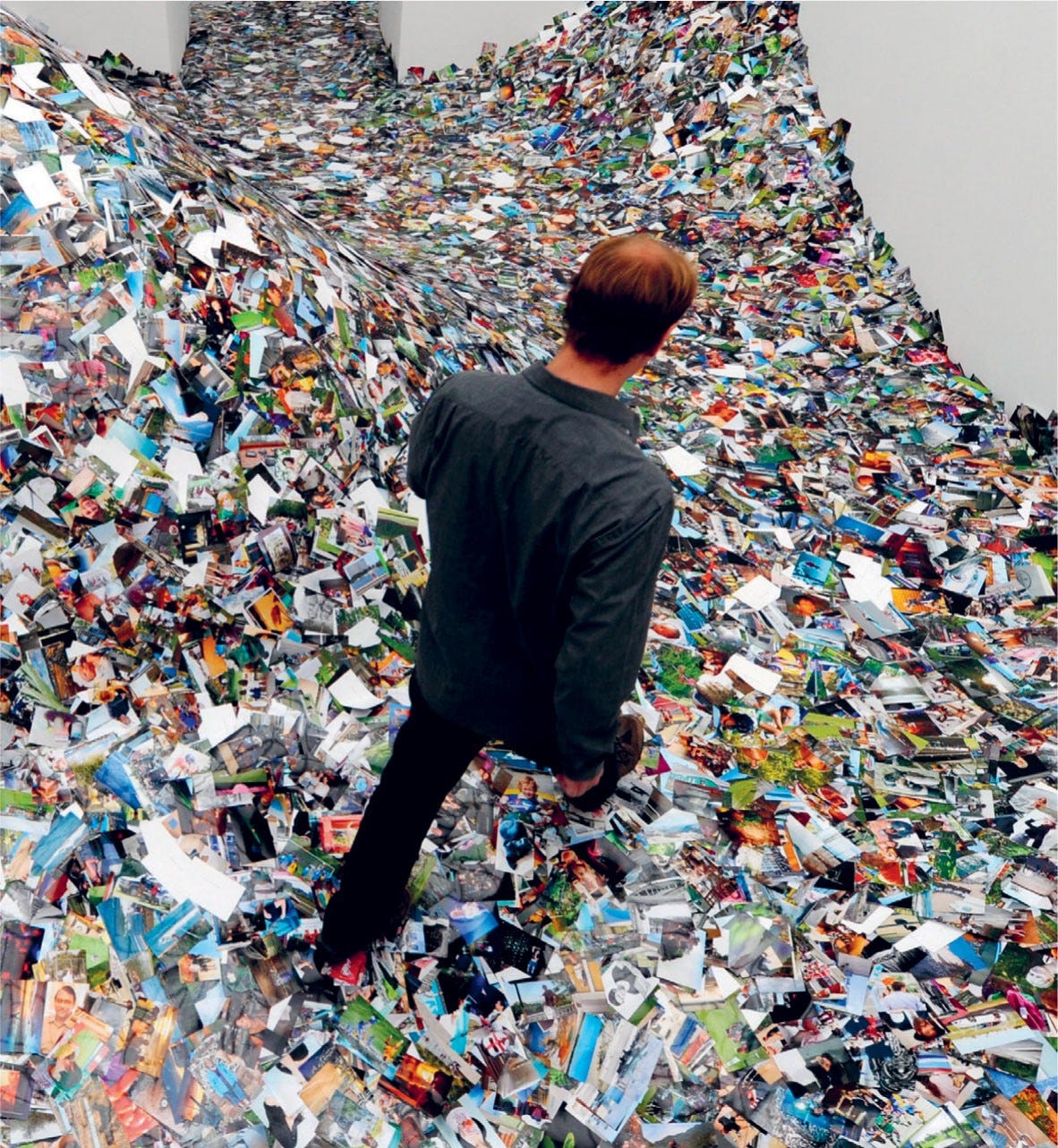
“The ability to retrieve a memory decreases exponentially . . . unless boosted by artificial aids such as diaries and photographs. Taking pictures is a very powerful form of collecting memories.
Flipping through pictures of sometimes in the distant past, has an indescribable way of bringing alive long gone and probably forgotten memories. It gets to the point that we begin to live in the memory of the past even while stuck in the present.
The purpose of capturing a memory is the fact that we may never be able to create a unique one like that memory again. Hence we are admonished to treasure memories like sapphires of inestimable value by collecting them consciously either through taking beautiful and irresistible pictures or by making by making cinematic videos of precious moments in our lives that we lose the ability to recreate;
This happens in the following Days
like on wedding days (which happens to be the most important day in the life of a lady)
Your Matriculation Ceremony (which happens to be the most memorable day in the live of a student)
Your Convocation Ceremony (which happens to be one of the most important days in the lives of a person who just graduated and defeated the unending hustle and bustle of University life)
Some birthday parties (like your 20th birthday celebration, your 30th, or 50th birthday celebration and even in your 70th).
The day you gave birth to your first baby after anticipating for over nine months that you were going to become a father!!!
But it is important to know that the memories we treasure in our hearts is actually based on our individualistic perspective of what is important to us. Because what you see as absolutely memorable, may not even hold water, or frigid memories right in my presence. This is because people are different, and they see life from different view lens which has been largely determined by their experiences.
And it does not have to be the big days, the weddings and births. It can also be the connections we form on a daily basis. The tiny moments which may go unnoticed or seem insignificant to others. It can be those moments that never leave us, those moments when the small things in life turn out to be the really big things. (I am not contradicting myself please).
One of my dreams in life is to travel and explore virtually all the cities around the globe with the wife of my youth (AGET); take pictures while astride the highest point of the Eiffel Tower in the warm bosom of the climatic haggling of my Queen.
What people remember are the big days in their life: the milestones we achieve, the moments where we experience a sense of meaning, a sense of connection with our loved ones, with the world and with life itself. Our collection of happy memories is packed with life’s “big” moments.
Learn to preserve great moments in your life through the prism of the chromatic machine for all eternity to see and have access to. A memory once lost can never be regained.
A sentimental bond: Nostalgia. It is a delicate, but potent, twinge in the heart. The projector is not a projector—it is a portable nostalgia generator, a time machine that allows people to go back in time, to a place they ache to go to again. It is not a wheel—but a carousel—that allows us to be children again, and allows us to revisit places where we were loved.
And above all, our collection of happy memories is packed with life’s “big” moments.
So kindly try creating a happy memory today. Don't forget it doesn't have to be grand, you just have to make it memorable and unforgettable to the mind.
Thanks alot for restacking Lauren
This is really nice. It makes me remember STRANGER THINGS, a movie series where a good memory saved some people from total mind damage or the realm of forgetfulness.
Memories are powerful and wonderful.
I'd love to create beautiful ones with my loved ones always.